Geotechnical Engineering Services

The "mtc Difference"

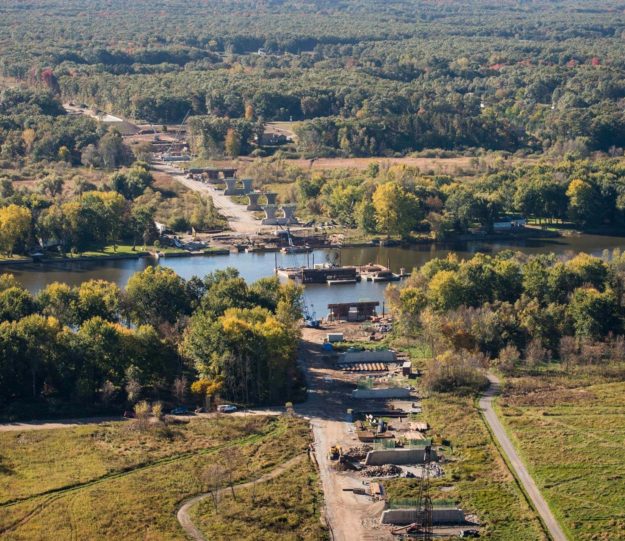
Spanning over five decades, our team of geotechnical engineers is experienced in a wide variety of projects. These projects incorporate transportation infrastructure including roadways and bridges for both MDOT and local agencies, multi-span bridges, high-rise buildings, power plants, hydroelectric facilities, water and wastewater treatment facilities, underground infrastructure, industrial developments, retail centers, electric substations, and the full range of commercial, industrial, institutional, governmental and residential development.

The geotechnical profession requires accurate information on which design recommendations are based. As such, we require that visual soil classification on boring logs be by an experienced geotechnical engineering professional. When our engineers evaluate subsurface conditions and formulate recommendations, we can do so with confidence in the laboratory and field investigation information. While interacting with key team members, we understand important aspects of our projects and provide risk-based alternatives. Because of our involved approach, we are seldom “low bid” yet are frequently “best value,” providing services with value that exceed cost by many times.

Build With Confidence

We understand the earth is critical and complex, just like the structures that it supports. We know subsurface conditions can significantly impact your project’s design, budget, and schedule.  Our unique approach of field engineering reconnaissance and test drilling observation provides a high degree of confidence that subsurface anomolies are caught on the front end of a project.  This gives our project partners better preparation at the time of construction.

Our engineers provide innovative solutions and cost saving recommendations for your project with our extensive experience and proven results.  Geotechnical engineering analysis and foundation studies determine what impact the new project being constructed may have on nearby buildings and infrastructure.  We achieve ”value-added” benefits that prevent expensive, unforeseen conditions at the time of construction.
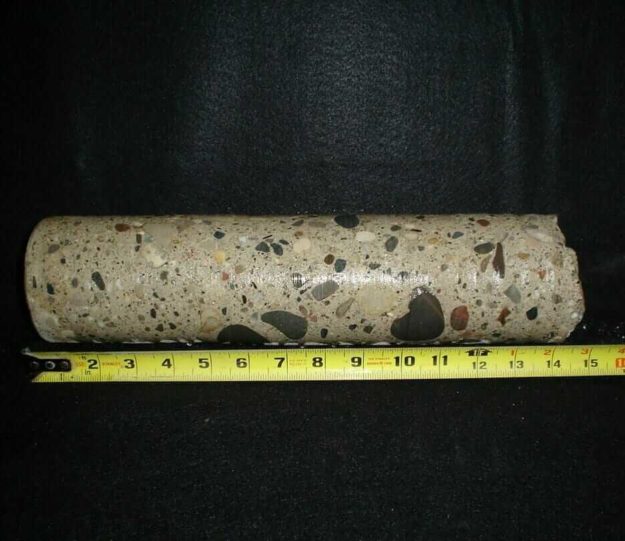
Soils testing, environmental drilling, and other geotechnical services

We know that soil conditions may vary substantially over a limited geographic area. It’s not enough to be experienced in the field; you need knowledge of the local and regional geology and proven experience with the latest foundation and specialty geotechnical construction technologies. With our experience spanning over five decades across the Great Lakes Region, MTC delivers a unique combination of geotechnical services and expertise including our own drilling services provided by MATECO Drilling Company. In addition, our in-house laboratories can provide accurate and timely soils testing.

From subsurface exploration to geological studies and design recommendations, MTC provides a broad spectrum of geotechnical engineering services including:

Geothechnical Engineering Analysis & Design

  • Foundation Studies
  • AASHTO LRFD Design
  • Soil Dynamic Evaluations
  • Solution Activity 
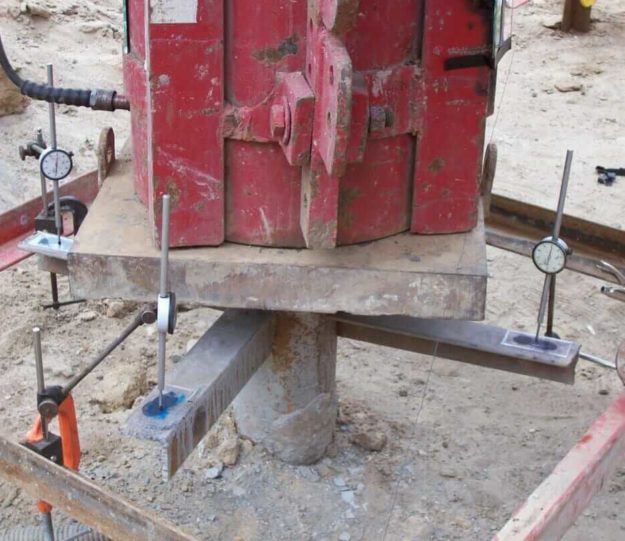
  • Micropile Design with LMG
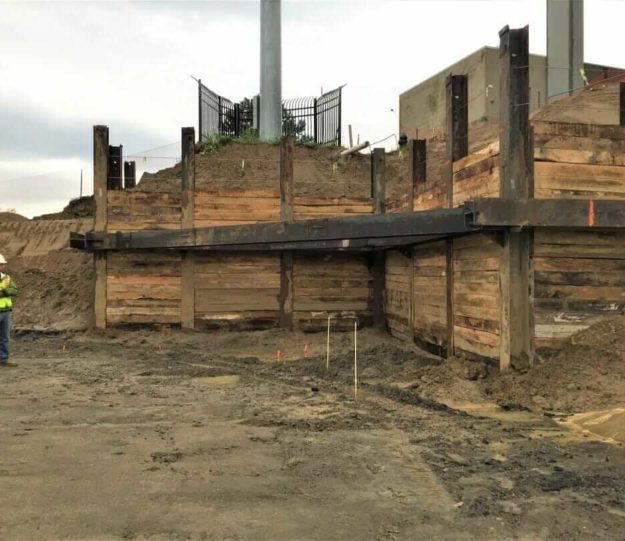
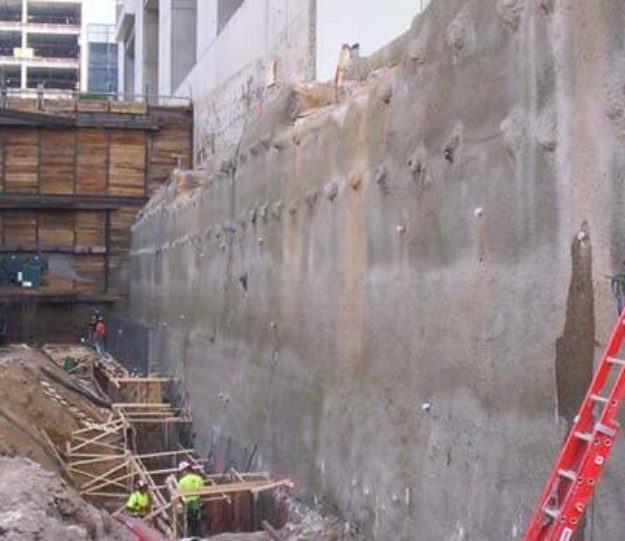
  • Earth Retention Systems 
  • Soil Improvement Techniques
  • Pavement Design & Rehabilitation
  • Slope Stability Evaluations
  • Groundwater/Hydrogeologic Studies
  • Trenchless Technologies
  • Gravel Evaluations
  • Bulkheads and Shoreline Structures
  • Tunnels and Shafts
  • Dam Safety Evaluations
  • Implementation of Geosynthetics

investigations and specialty testing

  • Pressuremeter Testing (MPT)
  • Cone Penetrometer Testing (CPT)
  • Vane Shear Testing (VST)
  • Pitcher Sampling
  • Slope Inclinometer
  • Membrane Interface Probe (MIP)
  • Hydraulic Profiling Tool (HPT)
  •  Probex Rock Pressuremeter
  • Earth Resistivity Testing
  • Flat Plate Dilatometer

Interested in Our Services? Contact us

Geotechnical Engineering FAQs

If your project touches the ground, foundations, pavements, utilities, retaining walls, or site grading, you probably need one. A geotechnical study gives your design team real information about what’s beneath the surface so they can design safely, efficiently, and economically. Most building codes require it, and most experienced owners see it as an essential first step. When in doubt, a quick conversation with us can usually clarify whether testing makes sense for your project.

Every site is different, but most studies start with developing a thorough understanding of what is being constructed so our team can evaluate the level of study required including structural loads, whether below-grade levels are proposed, existing and proposed site elevations, and project performance criteria.

After the study is developed, typically the next step is execution of the field exploration – clearing utilities, coordinating access, drilling soil borings and collecting soil samples under the direction and observation of trained geotechnical staff. From there, we perform laboratory testing and engineering analysis.

The final report usually provides:

  • Subsurface conditions and soil profiles
  • Foundation recommendations
  • Earthwork and grading guidance
  • Pavement design 
  • Groundwater considerations
  • Construction recommendations
 

Our goal is simple: give your team clear, practical guidance you can actually use to build with confidence. 

We bridge the gap between what’s underground and what gets built above it. Geotechnical engineers evaluate soil, rock, and groundwater to help projects stand up, literally. We support everything from building foundations and roadways to retaining walls and deep utilities. Just as importantly, we help manage risk by identifying potential challenges early, before they become costly surprises during construction. Think of us as the translators between the earth and your project.

Earlier is almost always better. Engaging geotechnical engineering during site selection or early design gives your team flexibility and options. Waiting until construction often limits solutions and increases cost. A modest upfront investment in geotechnical services can save significant time, money, and stress later.

Good subsurface information leads to smarter designs. By understanding site conditions early, we can help optimize foundation systems, reduce overexcavation, minimize change orders or costly unforeseen condition claims, and streamline construction means and methods. We also provide environmental due diligence and industrial hygiene services, often performed most often as part of property acquisition and structure demolition phases, as well as construction observation and materials testing to help confirm that what’s being built matches the design intent.

In short: fewer surprises, better decisions, smoother projects.

The more we know, the better we can tailor our scope. Helpful items include:

  • Site address or location
  • Project type and size
  • Proposed construction details (if available)
  • Preliminary site plans
  • Schedule expectations


If you don’t have everything yet, that’s okay. We’re happy to talk through your project and help define the right level of investigation.

That soil is “just dirt.” In reality, soil comes in many forms, from uncontrolled “urban” fill to native materials deposited through natural forces. Soil has a complex behavior that changes with moisture, loading, and time. Two sites across the street from each other can perform completely differently. That’s why testing matters, and why we genuinely enjoy what we do. Every site tells a story. We just happen to be the ones who know how to read it.