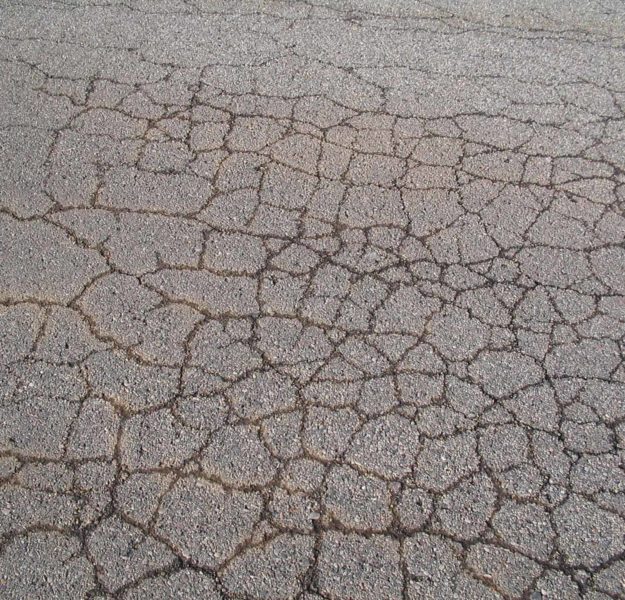
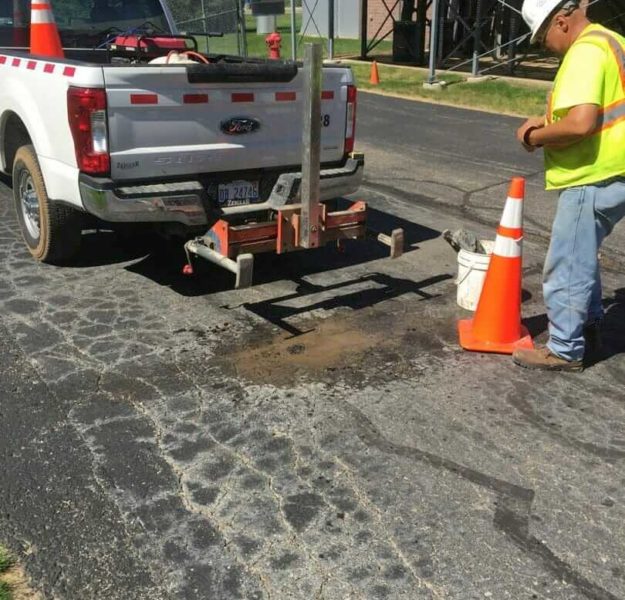
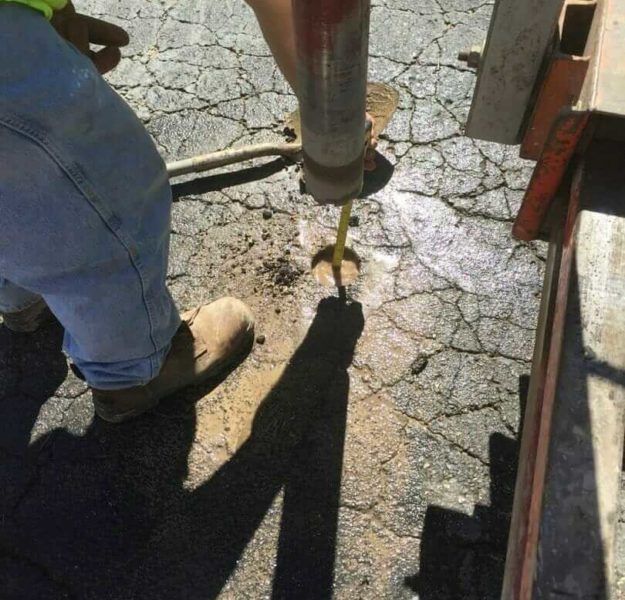
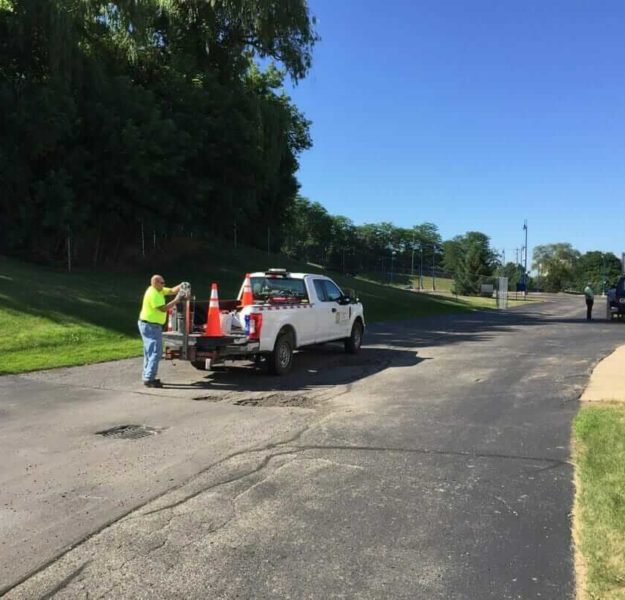
At MTC we understand that you have an investment in your pavement systems. We also understand your pavement systems require asset management and inconsistent management methods can mean ineffective performance of your pavement.
These points make it difficult to manage this large investment. Second only to roofs, more dollars are spent on pavement maintenance costs than all other facilities maintenance costs combined. However, significant savings can be realized when properly engineered maintenance and rehabilitation asset management plans are implemented.
Pavement Management Experts
Our pavement management and rehabilitation programs allow you to preserve and improve upon your investment through informed decisions. Our consistent inspection and analysis procedures provide an accurate history of past decisions and their results. Then we can help you develop your action plan based on your goals and budget, reduce overall project costs and increase the longevity of your paved surface.
Pavement Management Services Offered:
Pavement Surface Evaluation and Surface Ratings (PASER)